
 Italiano
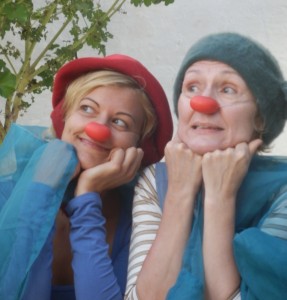
Residential Workshop
Led by Robert McNeer & Paul MacDonald
from october 14th to 19th 2014
the workshop will begin on october 14th at 4pm and end on october 19th at 1pm
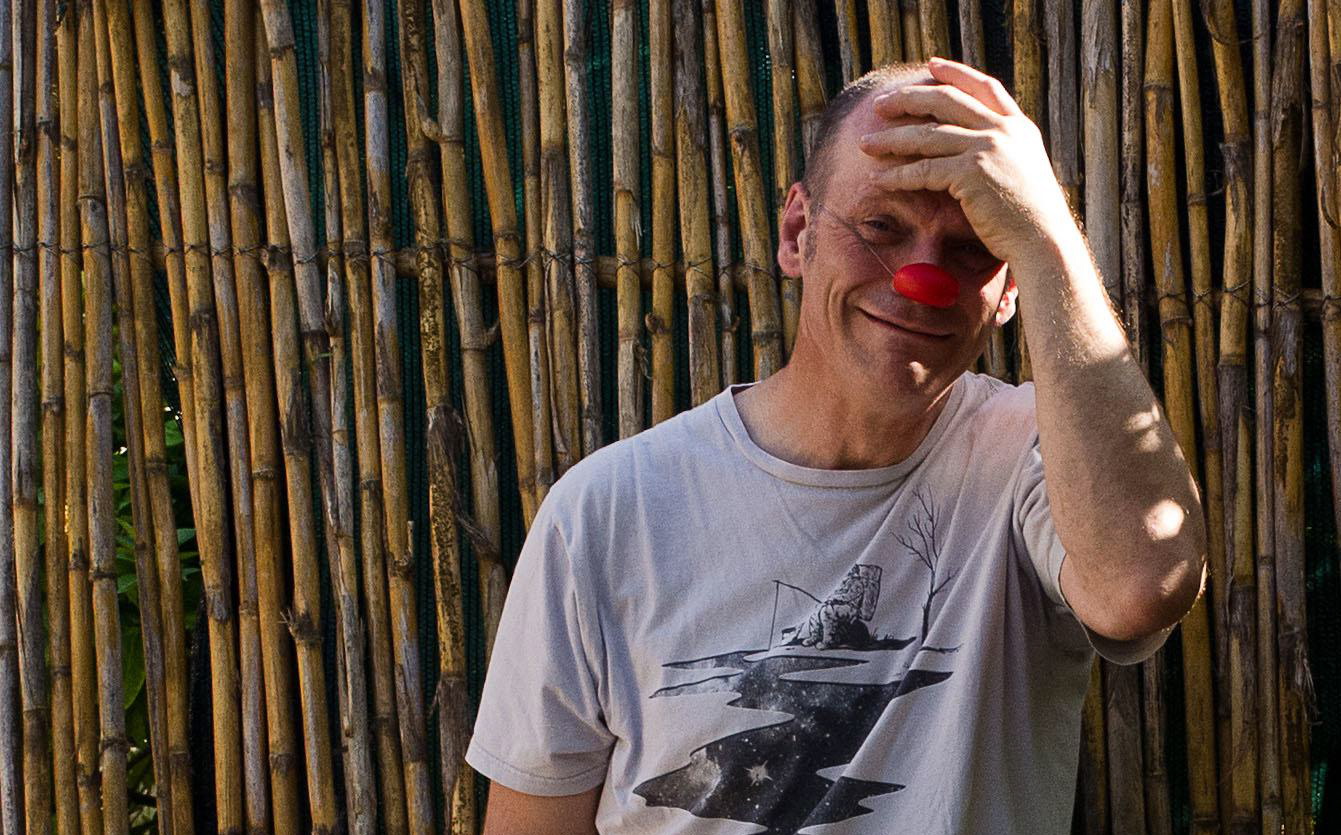
The clown’s nose, “the smallest mask in the world,” is the mask which unmasks. Through the clown, we can discover our inner qualities of openness, spontaneity, and play. The clown helps us fly with our imagination, while holding our feet firmly on the earth. This work regards the theatrical, not the circus clown, and gives great attention to the internal process, helping us towards deep and gentle human communication. This clown has nothing to do with juggling, acrobatics, or comical gags, and is simply a door to our human innocence, happy to play with whatever emerges. We will work with play, with improvisation, and with the empty stage, to find the clown within. That which makes this particular workshop so special and joyous is the mixture of participants, part Italian and part non-Italian, a mixture of cultures, ages and life stories. Communicating with each and all often becomes a desperately comical enterprise, bringing out the clown in each of us. And all this in a natural setting, warm and protected. With Italian food.
This workshop is open to all, with or without previous clown experience.
information and reservations >>
Earlybird discount for those who sign up within the 10th of july


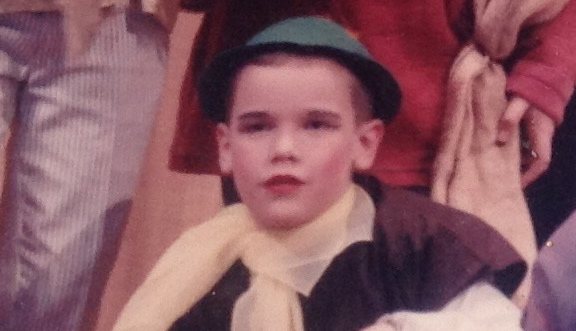
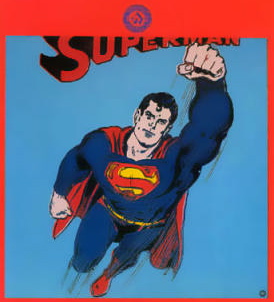
SUPERMAN & ME
di e con Robert McNeer
Come tanti bambini, avevo un grande eroe, SUPERMAN, ed ero convinto di poter VOLARE anch’io! Nei sogni vedevo la mia vita dall’alto, indiscutibile prova del mio SUPERPOTERE! Ma nella mia vita di ogni giorno, rimanevo stranamente TERRESTRATO! Come il giovane Clark Kent, mi sentivo teso fra cielo e terra. Fortunatamente il teatro mi dava un modo per affrontare questo mio DRAMMA!
Tra le gioie e le ansie di un’infanzia americana anni ’60, nutriti dalle immagini del fumetto di Marvel, respiriamo un’aria che non c’è più, un’aria di can-do visionario, dove basta credere in un sogno per realizzarlo.


“Stanotte è la notte di Valpurga, e tutte le streghe si riuniscono per il ballo sul Monte Block. Tranne te…”
La piccola strega ha soltanto centoventisette anni e mezzo. Perciò è troppo piccola per partecipare alla grande Festa della Valpurga, la notte quando tutte le streghe vanno a ballare sul Monte Block. Ma quando decide di andarci lo stesso, si tuffa in un anno pieno di avventure avvincenti e divertenti nel tentativo di diventare una buona strega.
Ma che cosa è “buono” e che cosa è “cattivo”?
Se è buono aiutare quelli che ne hanno bisogno, sarà cattivo dare qualche lezione divertente a quelli che se lo meritano? Insieme al simpatico corvo Abraxas, la piccola strega cerca la sua strada in un mondo troppo grande e pieno di ingiustizia.
“La piccola strega” di Otfried Preussler, ha regalato a migliaia di bambini un mondo pieno di magia, abitato da personaggi indimenticabili e animato da pensieri ed emozioni che ogni bambino conosce. Con questo racconto sono contenta di condividere con i bambini di oggi il piacere che ho avuto da piccola, leggendo questo libro incantato.
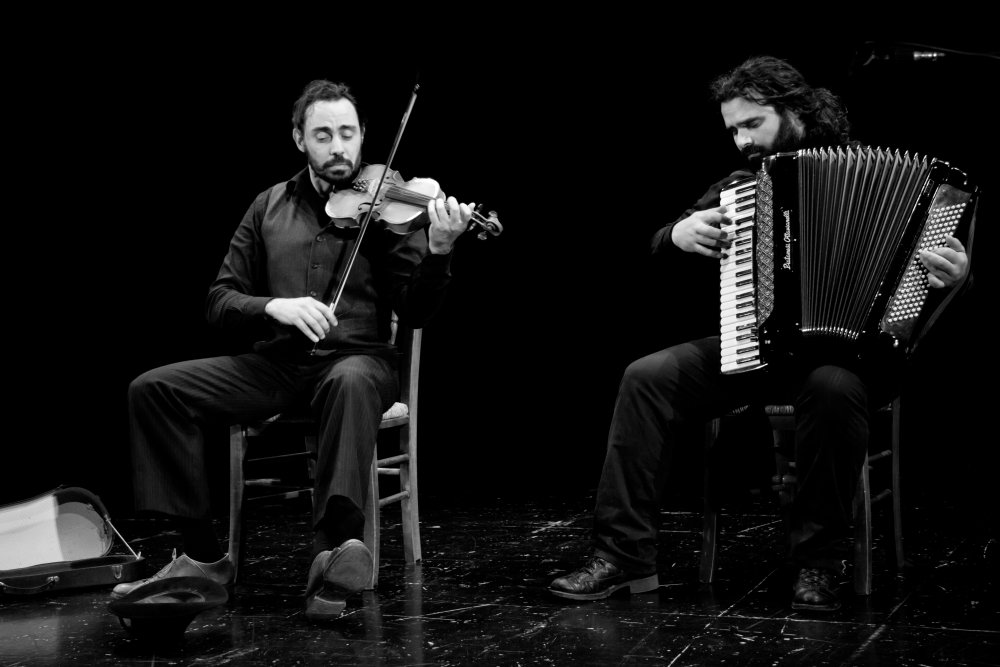
STORIE DI ZHORAN
Storie di zingari e violini
di e con Giuseppe Ciciriello, arrangiamenti e fisarmonica Piero Santoro
“Prima di tutto vennero a prendere gli zingari e fui contento, perché rubacchiavano.
Poi vennero a prendere gli ebrei e stetti zitto, perché mi stavano antipatici.
Poi vennero a prendere gli omosessuali, e fui sollevato, perché mi erano fastidiosi.
Poi vennero a prendere i comunisti, e io non dissi niente, perché non ero comunista.
Un giorno vennero a prendere me, e non c’era rimasto nessuno per protestare.”
B. Brecht
Durante l’olocausto nazista, con il macabro pretesto della pulizia etnica, migliaia di Zingari finirono nei campi di sterminio. Nel culto del super uomo, atroci barbarie vennero commesse sotto lo sguardo attonito del mondo. Ma cos’è un uomo? E che cos’è oggi uno zingaro? Zhoran, con il suo amico Borhat, cerca di rispondere a queste domande con una certa ironia, raccontando storie semplici, sorprendenti: frutto di una cultura orale che si tramanda di generazione in generazione. Intorno: melodie e ritmi balcanici a cui è difficile resistere.
TI HO VISTO
con Robert McNeer
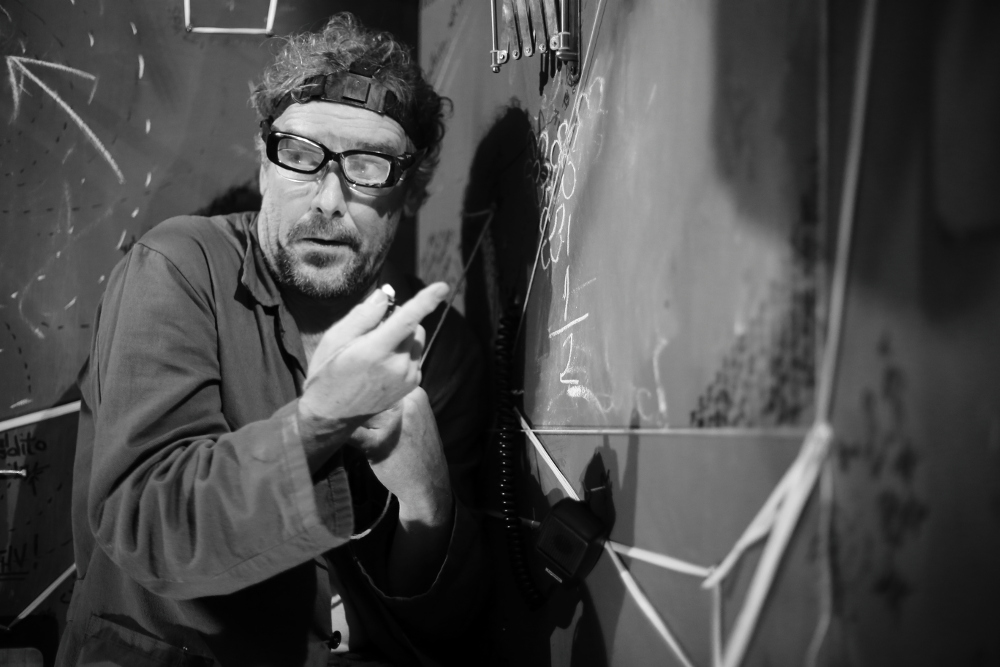
Dopo anni passati a guardare le stelle dalla sua stanzetta, un uomo scopre di essere non solo osservatore, ma osservato. Così comincia una storia paranoicomica…
AMORE E PSICHE
con Daria Paoletta
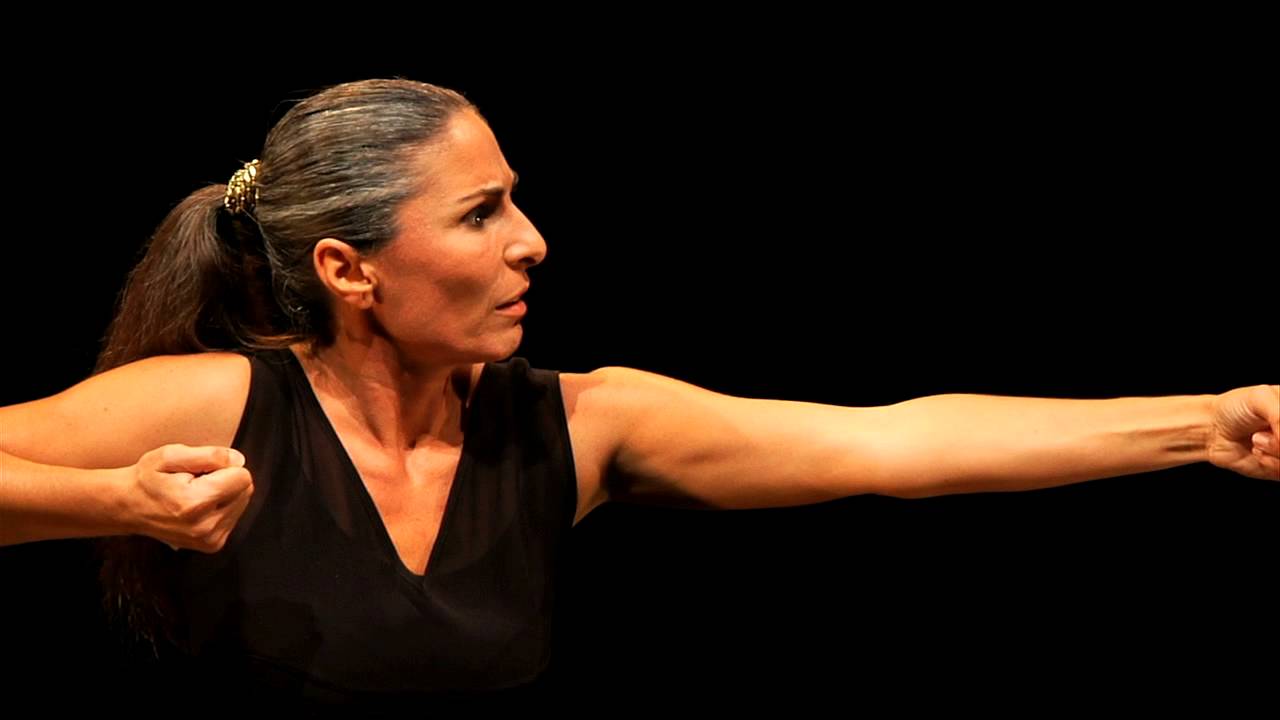
Una storia che racconta un amore travagliato e ostacolato dalla diversità dei due amanti: Amore è un dio, mentre Psiche è una mortale, ma bella come una dea. Una saga di personaggi che dividono l’Olimpo dalla Terra, le divinità dai mortali, per scoprire che, nell’immaginario degli antichi, non c’è poi tanta differenza, gli uni assomigliano agli altri. Una scena che prende vita attraverso la forza del linguaggio vocale e corporeo, evoca ambientazioni e porta lo spettatore in un mondo immaginifico e a ritrovare se stesso.
Clown Master Program at La Luna nel Pozzo
Led by Paul MacDonald & Robert McNeer
What is it?
Bringing to bear our theater performance and facilitation experience over the last thirty years, we will explore with you the light which clowning brings to questions of perception and cognition, community and inclusion, performance and presentation, and memory.
Who is it for?
This course is of interest both to practicing clowns, and to all those who feel that its pedagogical and/or therapeutic aspects could be of use in their own work. Besides that of professional clowns, the practice of counselors, therapists and educators could be greatly enhanced by this work.
What will we study?
Each of four one-week sessions will explore a different theme:
week I The sharing gaze: facilitation in theory and practice
week II Clown in community: special needs and hospitals
week III My clown: devising and performance
week IV Memory games: social clowning
How is it articulated?
We propose four 6-day sessions of work between autumn 2014 and spring 2016.
These sessions will be divided between theory and analysis (discussion, group work and presentation) and practical work (stage play).
We are confident that the playful opening of this work will have multiple implications for anyone involved in a creative process, while the collegial approach of a community of learners will enormously enhance the research of each individual.
What are the dates?
WEEK I – 6-12.11.14
The sharing gaze: facilitation in theory and practice, with guest Chris Seeley
WEEK II – 23-29.3.15
Clown in community: special needs and hospitals, with guest Ewan MacKinnon
WEEK III – 30.11-6.12.15
My clown: devising and performance, with guest Rodrigo Morganti
WEEK IV – 21-27.3.16
Memory games: social clowning, with guest Mirco Trevisan
EARLYBIRD SPECIAL reserving a place six month before the upcoming session
The course will be limited to a maximum of 14 participants, open only to those who have previous experience of our work, and we will require a CV, as well as a motivational letter, from any prospective participant. We will give precedence to those who pledge to all the sessions.
SPADE E CIPOLLE
di e con Angela Iurilli
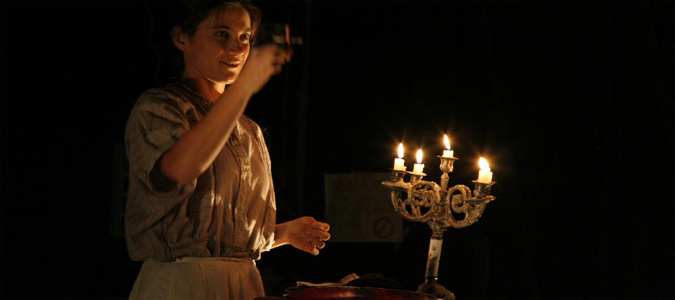
La signora Sofronia cerca Nina e la trova lì dove un pubblico aspetta un inizio, e l’inizio… ha inizio.
Un racconto diretto che scavalca i secoli e pone al centro una relazione antica: quella tra padrona e serva, qui legate da una morsa indissolubile che fa di due anime un corpo – e di due personaggi una sola interprete.
Sofronia, feroce padrona che si nutre di potere, è l’odio.
Nina, la serva che non piange mai. Nina la nera, Nina l’amore.
Ognuna attraverso il proprio sguardo evocherà fatti umani e storici (la vicenda risale all’epoca di Carlo Magno), ma per quanto la loro diversità/conflitto sia una questione antica, lo spettacolo non vuole essere storico. La memoria gioca brutti scherzi ad autori e personaggi; ognuno aggiunge, distorce, annebbia per poter sopra-vivere la verità. La storia diventa quindi una traccia, un pretesto per attraversare temi attualissimi, come i conflitti religiosi, la violenza della guerra e la corruzione del potere (uniche condizioni per una vita “privilegiata”), la vanità, la solitudine e il ricordo-incombenza della morte che attanaglia e spinge ad allontanare qualsiasi fragilità umana.
Il pubblico entrerà nella vicenda non solo in quanto testimone; a volte desiderato, altre respinto, sarà oggetto di un palleggio continuo e ironico tra la dimensione del presente reale e quella del passato ideale, scomparso con i Fiori di Francia.
Residential Workshop
Led by Robert McNeer & Catherine Bryden
from april 27th to may 2nd 2015
the workshop will begin on april 27th at 4pm and end on may 2nd at 1pm
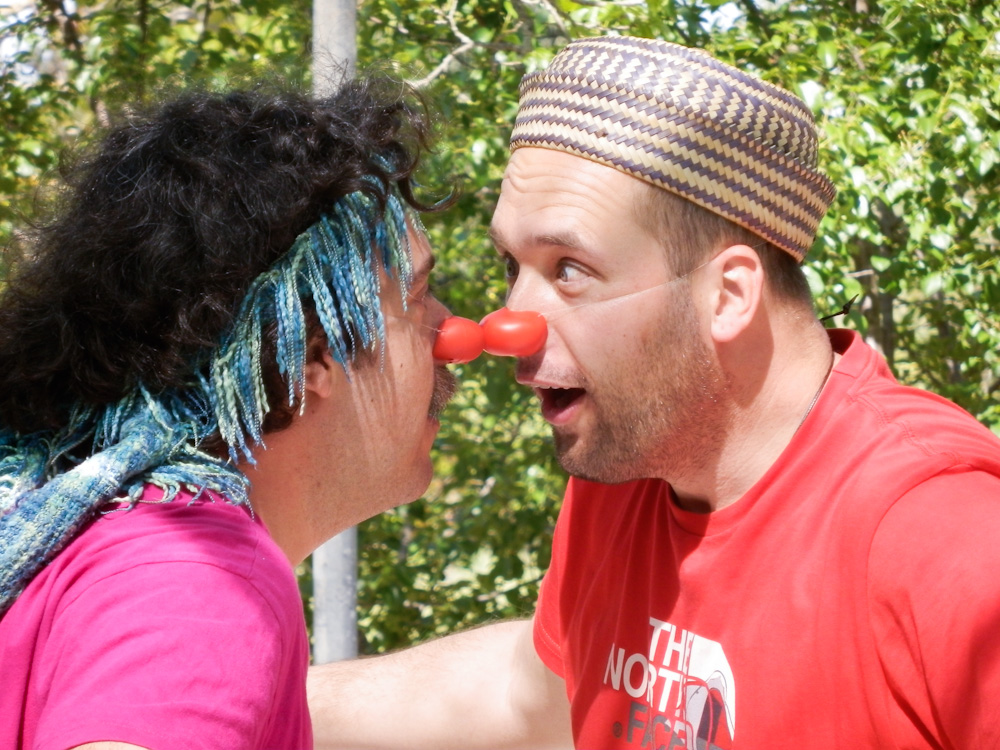
The clown’s nose, “the smallest mask in the world,” is the mask which unmasks. Through the clown, we can discover our inner qualities of openness, spontaneity, and play. The clown helps us fly with our imagination, while holding our feet firmly on the earth. This work regards the theatrical, not the circus clown, and gives great attention to the internal process, helping us towards deep and gentle human communication. This clown has nothing to do with juggling, acrobatics, or comical gags, and is simply a door to our human innocence, happy to play with whatever emerges. We will work with play, with improvisation, and with the empty stage, to find the clown within. That which makes this particular workshop so special and joyous is the mixture of participants, part Italian and part non-Italian, a mixture of cultures, ages and life stories. Communicating with each and all often becomes a desperately comical enterprise, bringing out the clown in each of us. And all this in a natural setting, warm and protected. With Italian food.
This workshop is open to all, with or without previous clown experience.
Residential Workshop
Led by Robert McNeer & Catherine Bryden
from april 27th to may 2nd 2015
the workshop will begin on april 27th at 4pm and end on may 2nd at 1pm
The clown’s nose, “the smallest mask in the world,” is the mask which unmasks. Through the clown, we can discover our inner qualities of openness, spontaneity, and play. The clown helps us fly with our imagination, while holding our feet firmly on the earth. This work regards the theatrical, not the circus clown, and gives great attention to the internal process, helping us towards deep and gentle human communication. This clown has nothing to do with juggling, acrobatics, or comical gags, and is simply a door to our human innocence, happy to play with whatever emerges. We will work with play, with improvisation, and with the empty stage, to find the clown within. That which makes this particular workshop so special and joyous is the mixture of participants, part Italian and part non-Italian, a mixture of cultures, ages and life stories. Communicating with each and all often becomes a desperately comical enterprise, bringing out the clown in each of us. And all this in a natural setting, warm and protected. With Italian food.
This workshop is open to all, with or without previous clown experience.